Welcome to Alien Parents
Alien Parents is an educational hub that explains what Parental Alienation is, how it affects children and families, and where to find trusted support in Ireland and the UK.
What is Parental Alienation?
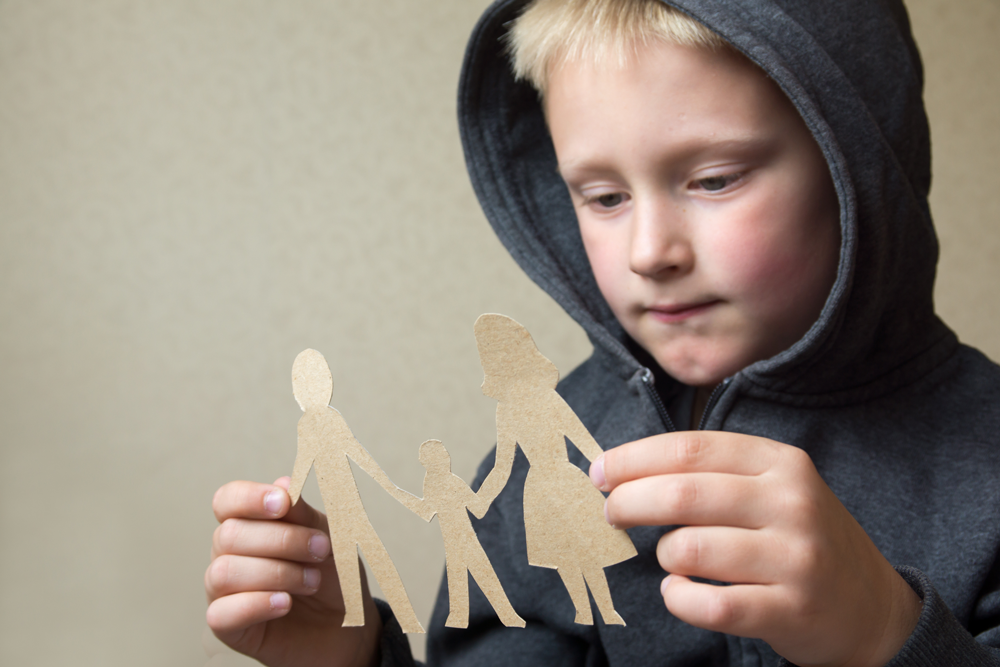
Parental Alienation (PA) is a family dynamic where a child becomes estranged from one parent, often due to psychological manipulation or influence from the other parent.
Unlike justified estrangement (which happens when a parent’s harmful behaviour causes a child to pull away), PA involves an unjustified rejection, meaning the child’s hostility is out of proportion to the targeted parent’s actions.
Parental Alienation is a sensitive and sometimes controversial topic, especially in family law and psychology. This page provides a clear, evidence-based overview to help parents, professionals, and students understand what it is—and what it is not.
Definition & Key Terms
Parental Alienation (PA)
A child’s unjustified rejection of a parent, often influenced by the other parent.
Parental Alienation Syndrome (PAS)
A term coined in the 1980s by Dr. Richard Gardner; not recognised in the DSM-5 or ICD-11 as a mental health diagnosis.
Estrangement
A child distancing themselves from a parent for valid reasons (e.g., abuse or neglect).
Alienating Behaviours
Actions by one parent that damage the child’s relationship with the other parent (e.g., badmouthing, blocking communication).
How Parental Alienation Happens
Parental Alienation often develops in high-conflict separations or divorces. Examples of alienating behaviours include:
- Speaking negatively about the other parent in front of the child
- Withholding contact or creating scheduling barriers
- Making the child feel guilty for showing love to the other parent
- Sharing adult disputes or legal issues with the child
- Presenting a “good parent vs. bad parent” narrative
Important: Parental Alienation is not about “taking sides.” Some children reject a parent for legitimate reasons, such as exposure to harm. Professionals must carefully distinguish between alienation and justified estrangement.
Impact on Children
Parental Alienation can have long-term effects on a child’s emotional health, including:
- Anxiety, depression, and guilt
- Low self-esteem and identity struggles
- Difficulty trusting others or forming relationships
- Emotional loyalty conflicts
- Loss of a meaningful relationship with one parent
Research shows that children benefit most from healthy relationships with both parents, provided it’s safe.

Legal Context (UK & Ireland)
In Ireland:
- The Department of Justice released a 2021 research report and a 2022–2025 Family Justice Strategy exploring parental alienation concerns.
- Policy changes are being considered to support early intervention and education for professionals.
In the UK:
- The Family Justice Council (FJC) (2024) recommends avoiding the term Parental Alienation Syndrome and instead assessing Alienating Behaviours and the child’s resistance/refusal dynamics.
- The courts focus on the best interests of the child, not labels.
See Legal Framework for more info.
Evidence & Debate
While most experts agree that alienating behaviours exist and harm children, there is ongoing debate:
PAS as a “syndrome” is widely rejected in medical and psychological communities. Some critics warn that alienation claims can be misused in court, sometimes to undermine abuse allegations.
This highlights the need for balanced assessments by trained professionals.
What to Do if You Suspect PA?
- Stay Calm & Document Events: Keep detailed, factual records.
- Seek Professional Support: Family therapists, mediators, or child psychologists.
- Avoid Escalation: Focus on your child’s well-being, not winning arguments.
- Get Legal Advice: Consult solicitors familiar with family law in your country.
- Take Care of Yourself: Support networks and counselling are vital.
Summary
Parental Alienation is a complex, emotional, and legally sensitive issue that can deeply affect children and families. While the term “syndrome” is controversial, the behaviours that drive alienation are real and damaging. Understanding PA, seeking early help, and using evidence-based approaches are essential steps in supporting children and families experiencing this dynamic.
⚠️ Disclaimer: This page and website is for educational purposes only and does not replace legal or psychological advice.
Signs & Behaviours
Impact on Childern
Legal Framework
Resources & Support
Privacy Policy & Disclaimer
About Alien Parents
Contact Us
Copyright © AlienParents.com.
All Rights Reserved.